Software Engineering in Web Development, Backend Services, and More

Tag: WordPress (Page 152 of 220)

Articles, tips, and resources for WordPress-based development.

Importing CSV Files into WordPress: Preventing Timeouts

This is part one of a series for how to Import CSV Files into WordPress.

This is one of set of posts that I hesitated writing because I don’t know how applicable it really is because it’s going to be dealing with talking about how to achieve something at an abstract level without using any real code examples.

And it’s not that I think talking about algorithms or procedures without code is bad (we all use pseudo-code, right?), I’m just not sure if it’s one of those series of articles that’ll help someone or not.

But I can’t be the only one who’s encountered these issues, so I’ll give it a shot. And this is going to be spread out over a few posts.
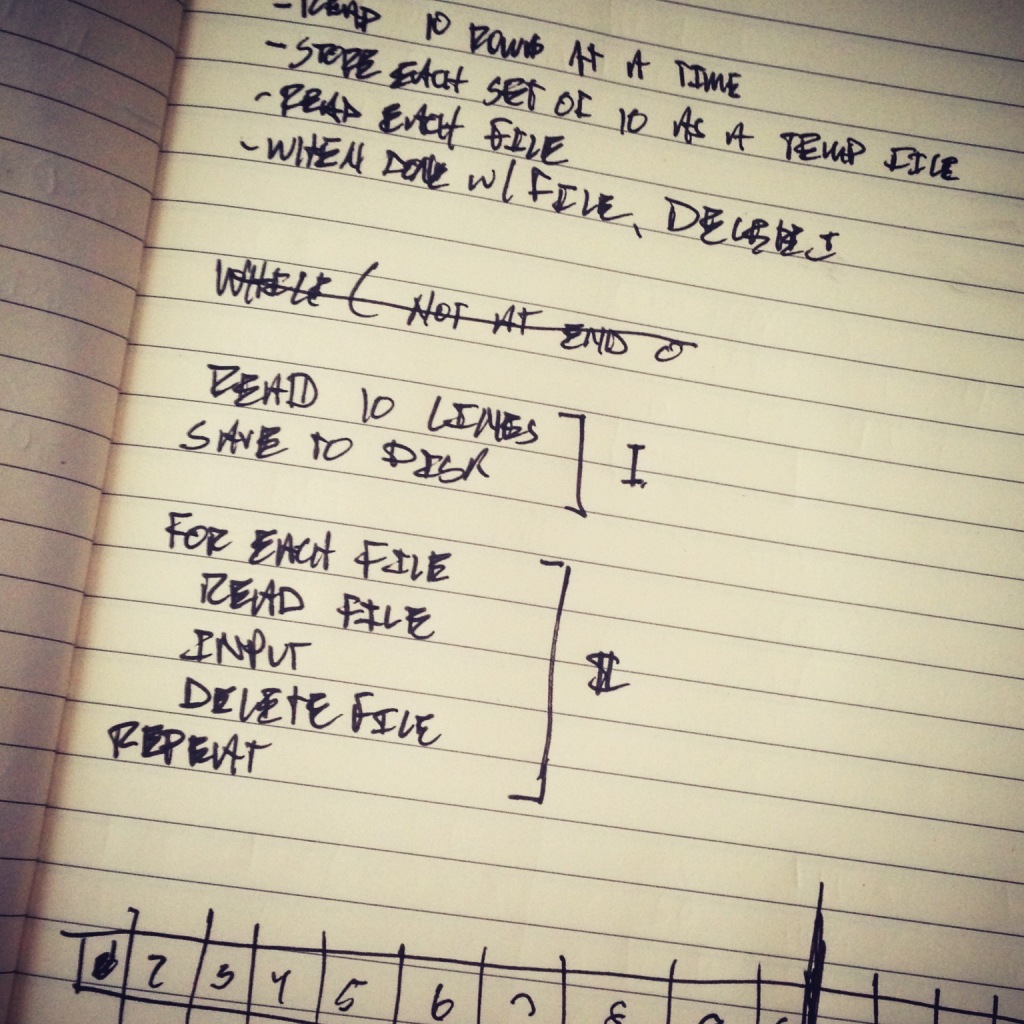
Importing CSV Files into WordPress: Preventing Timeouts

One of the more common tasks that you’ll see in web application development deals with importing data usually in some file type (often times which is CSV though other file formats are becoming more popular). A challenge, though, with importing data via CSV – especially a large data set – comes with giving the user visual feedback as to how the process is going.

And when it comes to importing CSV files into WordPress, the same rules apple. Importing large data sets and relying on the API to take care of, say, creating posts, associated taxonomies, and adding media can be a time consuming process.

But there are some strategies that we can employ that will help to ensure:

  1. There won’t be any PHP timeouts
  2. The importer gives visual cues without blocking the page load
  3. The functionality cleans up after itself when it’s done.

Though there are a number of ways to attack this particular problem, here’s how I’ve been doing it, as of late.
Continue reading

Include a WordPress Theme Style Guide

In a previous post, I questioned whether or not we should exclude a WordPress theme style guide from our themes when releasing them to our customers.

On the one hand, I think that a case can be made that we should exclude them. In short, I said that:

Offering up a style guide that helps users deviate in any way from the core design, the one that’s created from a level of expertise, is something I think isn’t worth creating.

But there’s another side to all of this. Specifically, what if the theme itself is just one component that’s part of an organizations overall brand?

Continue reading

Exclude a WordPress Theme Style Guide

When it comes to WordPress themes, one of the things that I used to think should be more common was the idea of style guides.

You know what I’m talking about: The documents that are either included with or ship with a theme that guide you on the typography, image sizes, video sizes, and other collateral to make sure that you use the theme exactly as it’s been designed to be used.

In other words, it prevents you from making the theme look ugly.

But are they really needed?

Continue reading

Programmatically Add Post Terms in WordPress

Importing CSV files (or something similar) is something that’s nothing new to web development.

If you’re writing a server-side code that’s responsible for importing a file in the context of WordPress, then you can be doing anything from programmatically creating posts to creating more complex relationships among post types, taxonomies, and so on.

In this case, it’s nice to have an abstract function that can help to do a lot of the repetitive work for you. After all, aren’t functions specifically for that?

Continue reading

Removing HTML Comments in WordPress

Some time ago, I began removing the HTML comment label from beneath the standard WordPress comment form (no, not the Jetpack-enabled form – the one that ships with a default WordPress theme).

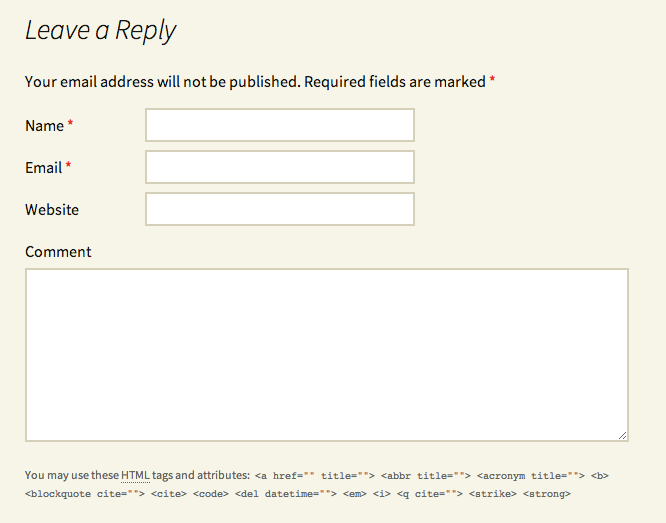
Most of you are familiar with the form as it generally looks something like this:

HTML in Comments

HTML in Comments

Generally speaking I find that that block that usually sits between the textarea and the submit input to introduce complexity and likely cause more confusion than anything else.

Continue reading

« Older posts Newer posts »

© 2026 Tom McFarlin

Theme by Anders NorenUp ↑