Software Engineering in WordPress, PHP, and Backend Development

Category: Articles (Page 39 of 258)

Personal opinions and how-to’s that I’ve written both here and as contributions to other blogs.

Considerations for Design Patterns for WordPress

The longer you work with a given platform, the more you begin to recognize certain ways to do something. And it’s very likely that you’ll begin to recognize two things these things can be done:

  • in a way that’s fast to develop, but harder to maintain or
  • in a way that’s slower to develop, but easier to maintain.

Of course, like any project, requirements, constraints, budgets, and time are all going to impact what you’re able to implement. But what I’m getting at is that regardless of how you implement a solution, you begin to get familiar for how to solve a given problem.

If a problem has to be solved quickly, then you know the tradeoffs, but you likely know how to do it quickly. Similarly, if you have a little more time (and budget), you can develop it another way, and you’ll know how to do it and possibly even wrap it up with test suites if the constraints allow for that.

Regardless of how you have to implement a solution, you know the ways that you can do it.

And this raises a question:

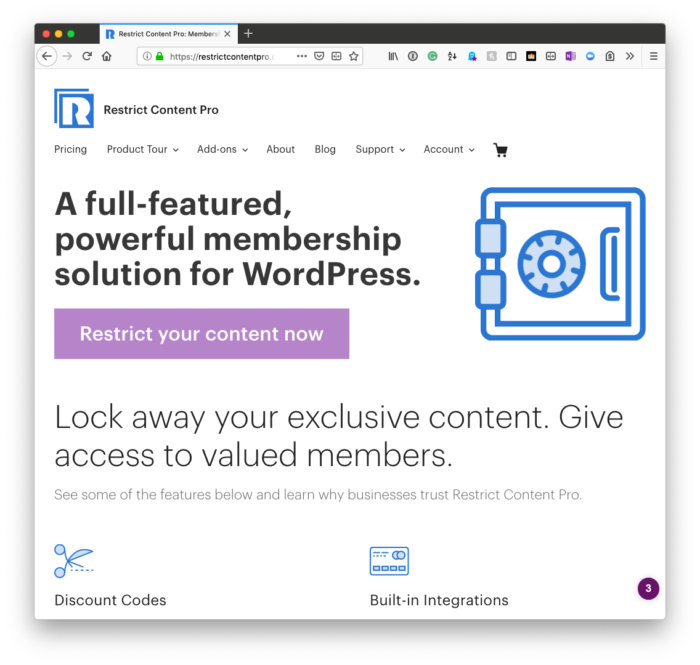
Are there design patterns specific to a given platform? And if so, what are some of the design patterns that may be available in WordPress?
Continue reading

Including Custom Templates in Our WordPress Plugins

I think that one of the more underrated aspects – or perhaps one of the rarely discussed aspects of custom plugin development – is the ability to include custom templates in our WordPress plugins.

And, to be honest, I get it: I’m one who is pretty staunch on what should a plugin and what should be a theme.

That is:

  • themes are for presentation,
  • plugins are functionality.

If I include templates in a plugin, am I not doing the same thing as when developers include functionality in their themes?

As with so many things in development, I think it depends. I mean, adding a lot of functionality that locks you into a theme is something of which I’m not a fan. Similarly, if you have a plugin that is meant to showcase data on the front-end and is theme agnostic, then it makes sense.

So you have to be judicious in your decisions.

Regardless, there’s a common set of steps we can use when including custom templates in our WordPress plugins.

And that’s what this post is going to show.

Continue reading

16 Months of Members-Only Content

Regular members-only content will resume next week. Until then, here's an update for both members and non-members.

In November 2017, I started a members-only section of this site and, for the most part, have written at least one article per week that has been long-form and aimed at those who are looking to improve their WordPress development skills, their business acumen, or both.

Members-Only Content

This week, I’m pausing before starting a second series. Last week, I finished the most extended series I’ve done yet in which we refactored the WordPress Widget Boilerplate.

There’s documentation that I need to finish up before merging the development code into the master branch; however, in the 16 article series, we took apart an eight-year(!) code base, refactored it, and put back together using modern standards.

But why am I telling you this?

Continue reading

Don’t Pollute the WordPress Options Table

I’m a fan of short release cycles. Depending on the project, the length of the cycle will vary, but for many of the types of projects on which I work, I aim to have two-week release cycles.

Further, there are times in which I’m working on a project for someone where environmental variables are necessary so the code knows if it’s running in development, staging, or production.

And this can be achieved a different way depending on the needs of the project. Sometimes, a configuration file will work, sometimes query string variables can work, and other times I think it’s reasonable to store a setting in the database.

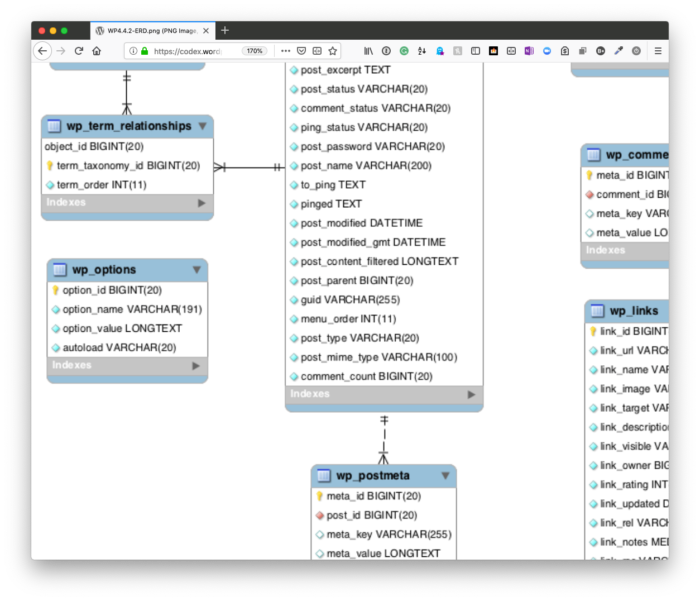
Don't Pollute the WordPress Options Table: The Options Table ERD

But, as far as WordPress is concerned, I think we shortcut better design decisions and throw information in the database, specifically the options table, when alternatives may be better suited.

Continue reading

Privacy is Hard, Let’s Go Shopping!

This isn’t something that’s really WordPress-development related. It is, perhaps, tangentially so and it’s something that I’m likely going to be talking about on this blog and in a few of the upcoming podcasts so I thought I’d go ahead and bring it up now.

For many of us, we’re well aware of the privacy implications of the software and services many of us use on a day-to-day basis even if we’re not sure just how this information is shared.

Anyway, since this is something that does tie back to WordPress, data-ownership, and so on, it seems fitting to discuss at least periodically.

I think there’s a level we’ve been comfortable with certain aspects of privacy and how data is shared (some have a higher threshold than others for it, sure) but it’s beginning to reach an unsettling level for me.

But let me back up.

Continue reading

« Older posts Newer posts »

© 2026 Tom McFarlin

Theme by Anders NorenUp ↑