Tom McFarlin

Software Engineering in WordPress, PHP, and Backend Development

Page 74 of 428

Triggering Angular Events with jQuery (As Weird As That May Sound)

One of the things that I enjoy about working with WordPress is the ability to bring in third-party libraries and tools with which to work.

This doesn’t mean they don’t come without their learning curve (they all do, right?), but it’s often fun – albeit frustrating, at times – to incorporate and then manipulate what you’re doing.

As far as third-party technologies go, I’ve seen people bring things in such as the Laravel Illuminate package with WordPress.

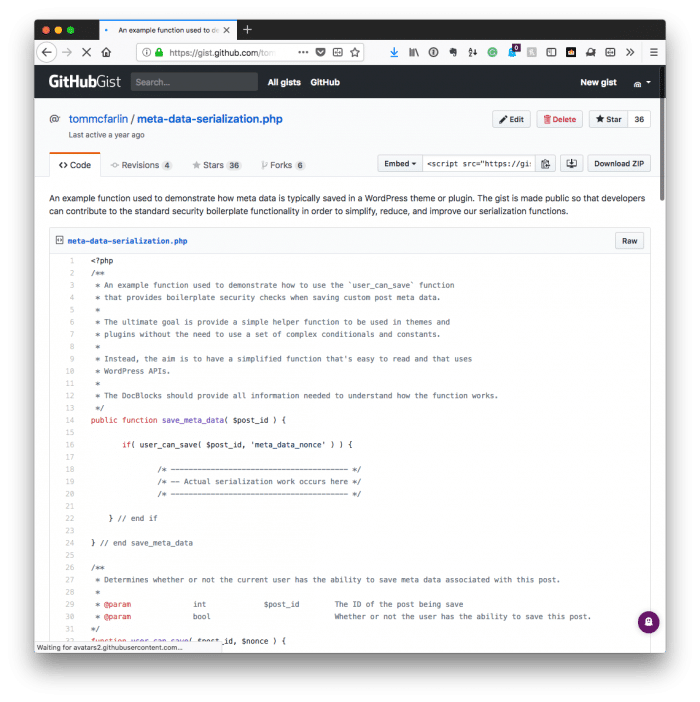
Triggering Angular Events with jQuery: Illuminate

And I know, especially in recent years, many have brought in components such as React and Vue.

Triggering Angular Events with jQuery: React

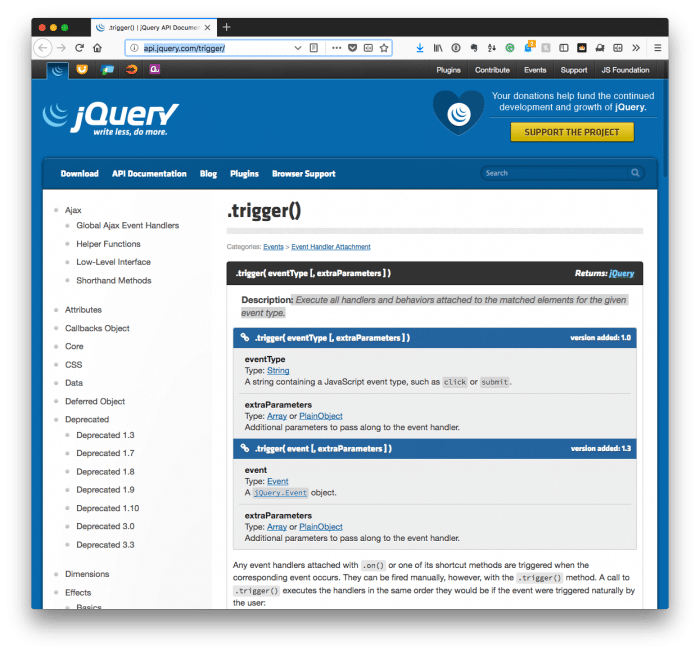
In one such instance, I’ve been doing some work with Angular. And if you’re used to ES6, vanilla JavaScript, or using jQuery, then triggering Angular events with jQuery can seem a bit weird at first.

Triggering Angular Events with jQuery: Angular

But once you understand the markup and how Angular handles its events, it’s not so bad.

Continue reading

Now Offering Two New Benefits for Site Members (With More to Come)

One of the things on the backlog of things that I’ve been working to do is to put together a list of benefits for members. Here’s the thing, though: The WordPress economy is vast, so what one person can do or from what they may benefit is not going to be the same as what another person can do or benefits.

What’s to be done about that?

Regarding providing solutions for the site, the current state of memberships on this site is easy to define:

  • offer object-oriented introductions and practices,
  • practical tips for how to achieve specific tasks,
  • how to apply all the above in your day-to-day work.

But that’s not all I want it to be. In addition to all of that, I also want to provide members with access to software, courses, and more than help them get better at what it is you do on a day-to-day basis.

And that’s what today’s post is about: Finally announcing a couple of benefits for site members.

Continue reading

I Don’t Know if Social Media is Good

Though I try to keep the topics on this site strictly limited to development of all things WordPress (and related technologies) that doesn’t mean I don’t sometimes venture out into more personal things (such as taking time off of social media).

Usually, I find taking time off of these services helps me to focus on some different things, reflect on whether or not I like them, what they offer us as a whole, or simply take a break from the things social media brings with it.

But one of the things I’ve found myself thinking about over the last month – and not necessarily on purpose, but it’s something that’s emerged the longer I’ve spent offline – is the place social media holds in our society (I guess western society, as I’d categorize it for this post), and the role in plays in each of our lives.

This post is going to run down a list of thoughts I’ve had about it, though they don’t necessarily have a firm conclusion or even a place I’m trying to get everyone to agree on (which would be a fools’ errand, anyway).

Instead, this is my general thoughts, observations, and considerations on social media as it exists at the time of writing this post.

Maybe it resonates with you, maybe not.

Continue reading

Installing Xdebug, Part 2: The IDE

Now that Xdebug is installed with your local installation of PHP, it’s time to wire it up to the IDE. This provides us with all of the advantages that Xdebug has to offer.

Installing Xdebug

That is, it allows us to:

  • set breakpoints,
  • step through our code,
  • and watch variables

All the while the program is executing. This means that while is a page is rendering, we’re able to set points in our codebase where we can see what the server is doing with our code.

So, sure, even though it’s called debugging to remove bugs, it can also give insight on how a WordPress-based application, theme, or plugin is executing and can help us gain a better understanding of WordPress core.

Continue reading

Organizing WordPress Types, Views, and Subscribers

One of the things that I find myself trying to do on a regular basis is to streamline how I’m building WordPress-focused functionality. I’ve recently talked about this but thought I’d expand on it a little bit more.

That is, I thought I’d lay out the approach I take when building things such as custom post types, taxonomies, meta boxes, and so on.

Generally, think of this as a strategy that I follow for building out aspects of a project that interfaces directly with WordPress but may require a few components such as:

  • classes that register themselves with WordPress through various hooks,
  • classes that require calls to certain WordPress APIs
  • and classes that require a custom view.

Sure, not every thing that interfaces with WordPress will need all of the above (for example, does a custom post type need a view? No. But a meta box does.)

Continue reading

« Older posts Newer posts »

© 2026 Tom McFarlin

Theme by Anders NorenUp ↑