Software Engineering in Web Development, Backend Services, and More

Tag: WordPress (Page 148 of 220)

Articles, tips, and resources for WordPress-based development.

Display Post Meta Data Error Messages in WordPress

One of the things that’s nice bout working with post types – custom or standard – in WordPress is that it’s really easy to hook into the serialization process in order to handle the data. This means that we have the ability to sanitize, format, read, access, modify, verify, etc. all of the data with the post type and with the post type’s meta data before it’s written to the database.

WordPress has a pretty consistent way of displaying error messages throughout the application. Really, it’s pretty consistent in how it displays all types of messages – success, updates, and errors – throughout the  system.

Let’s say that you’re working with a WordPress meta box, several of its fields are required, and you want to:

  • verify the input has been specified
  • either display an error message if it’s not specified
  • or write the data to the database if it checks out

The serialization process is pretty standard stuff, but if you’re looking to make sure required fields aren’t empty and that a error message is displayed whenever they’re not entered, then you’ll need to do some additional work.
Continue reading

Is There Room to Improve Error Logging in WordPress?

I think that one of the best ways to stay current with whatever tools, languages, etc. that you’re working with is to take a look and see what other communities are doing with their tools.

For what it’s worth, I also think that bringing experience from previous projects and/or jobs to new projects and/or jobs is important – you get a chance to continue doing all of the things that worked well, a chance to avoid the things that didn’t work, and a chance to discover a new set of things that work and things that don’t.

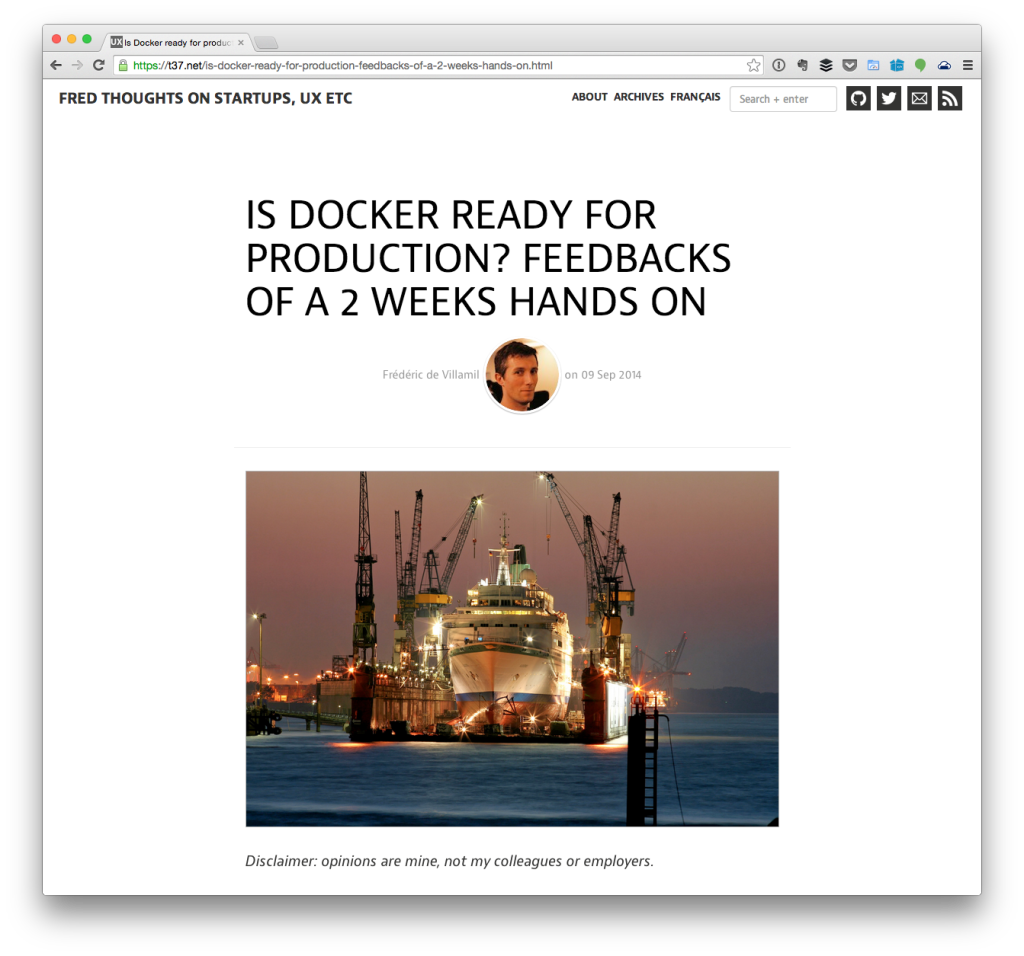
One of the more popular tools to come out as of late is Docker. There are a lot of really cool things about it, and there are a lot of articles already being written about it. I recently read one that struck a chord with me and with WordPress-related development.

Especially this quote:

Logging is a critical part of running an application. It’s often undercooked because it’s been here for so long no one think about it anymore. But trust me, when things stop logging, admins start crying.

Is Docker Ready For Production?

Yes, it’s a good read for anyone who likes to see how other developers are doing their thing in another area of the industry and there’s a number of points made that I think many people who have been working in software for a number of years can identify with, but I couldn’t help but ask myself if I’m doing (or we’re doing) enough logging in the WordPress projects I’m (or we’re) deploying.

Continue reading

Programmatically Deactivate WordPress Widgets

If you’re in the business of building themes for fun, for clients, or for purchase within a marketplace or your own store, then there’s a chance that there’s some type of functionality that’s unique to your theme that should be activated whenever the theme is activated.

In my experience, this is something that’s typically unique to niché WordPress themes because they tend to have specific features, customizations, and so on that are relevant to their theme.

Case in point: Let’s say that you’re working on a niché theme that has a number of widgetized areas, but also has very specific widgets for said areas. That is, upon theme activation, you want to make sure that each widgetized area is clear so not to bust up the layout.

In other words, you need to programmatically deactivate WordPress widgets whenever the theme is activated so that the layout of the theme looks as it should when the user activates it.

Continue reading

One Way To Add Multiple Meta Boxes

One of the things that I like about open source the most is having discussions not only about how a person goes about doing something, but why they’ve chosen a particular route over an alternative.

Yes, reading books, articles, and other material from prolific, well-known, and respected programmers matters – I’m definitely not saying that we should throw that out – but there’s a lot that can be learned from peers who are sitting a couple of tweets, emails, or gists away from you.

Though I generally enjoy seeing how other people have approached their work and understanding the rationale behind it, I’m also pretty open about how I approach certain problems if for no other reason that the garner feedback from those of you who take the time to update gists, add comments, and so on.

Continue reading

Documenting The WordPress Plugin Boilerplate

A little over a month ago, I released the latest version of the WordPress Plugin Boilerplate. The response has been great – more than I was expecting, really but that’s a good thing – and, generally speaking, it’s been overall positive.

The WordPress Plugin Boilerplate Homepage

The WordPress Plugin Boilerplate Homepage

Over the last month or so, it’s become clear that more time and resources will be needed to focus on the Boilerplate and to continue to refine its codebase, its functionality, its documentation, and so on. The bottom line is that I want to make sure that I get the right – or as close to right – as possible during the first try.

To that end, I need some input from others (read: you).

Continue reading

« Older posts Newer posts »

© 2026 Tom McFarlin

Theme by Anders NorenUp ↑